
INNOVATIVE PRODUCT DEVELOPMENT
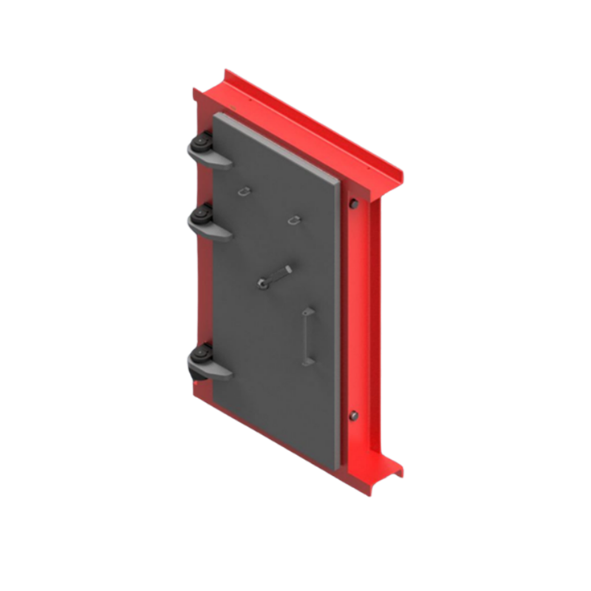
Space-DL is FLOW&ART SPACE’s flagship single leaf blast-resistant door, developed entirely through in-house engineering and manufacturing expertise. Designed with precision using advanced simulation tools, space-dl meets rigorous blast resistance criteria while delivering exceptional structural integrity and operational reliability
CUTTING-EDGE DESIGN AND MATERIALS
The door incorporates state-of-the-art materials and innovative structural features optimized through nonlinear dynamic analyses and validated with experimental testing. This ensures superior protection against blast loads, seismic impacts, and fire hazards, making space-dl ideal for high-security applications.
FULL IN-HOUSE MANUFACTURING AND QUALITY CONTROL
From initial design to final assembly, every stage of space-d’s production is managed within FLOW&ART SPACE’s facilities. Our skilled technicians and engineers use precision machining and advanced fabrication techniques to guarantee uncompromised quality and rapid customization according to client requirements.
TAILORED FOR CRITICAL INFRASTRUCTURE
Space-DL is specifically engineered to protect defense facilities, energy plants, and other critical infrastructures. Our team collaborates closely with clients to deliver solutions customized to their operational needs and compliance standards.
COMPREHENSIVE SUPPORT AND LIFECYCLE SERVICES
Beyond manufacturing, FLOW&ART SPACE provides ongoing maintenance, technical support, and upgrade paths to ensure long-term performance and adaptability of space-dl doors in evolving threat environments.
SPACE-D Blast-Resistant Door Family
SPACE-DL forms part of the SPACE-D Blast-Resistant Door Family, which includes single-leaf, double-leaf, overhead coiling and sliding configurations. Explore the complete SPACE-D product family or contact FLOW&ART SPACE for a project-specific technical assessment.
Frequently Asked Questions
What are blast-resistant systems?
Blast-resistant systems are engineered protective solutions designed to withstand specified blast loading conditions and reduce the effects of explosions on personnel, equipment, and critical infrastructure. These systems include blast-resistant doors, modular buildings, protective enclosures, and containment solutions.
How is blast resistance determined?
Blast resistance is determined by evaluating the applied blast pressure, impulse, loading duration, and structural response. Performance requirements are established based on the project-specific threat assessment, design criteria, and acceptable damage limits.
Which standards are used for blast-resistant design?
Blast-resistant systems are designed and evaluated using applicable international engineering standards and guidelines, such as UFC 3-340-02 and other relevant structural design criteria. The selection of standards depends on the application, project specifications, and required performance level.
Can blast-resistant systems be customized for specific projects?
Yes. Blast-resistant systems can be customized according to project-specific dimensions, blast loading requirements, installation conditions, operational needs, and structural performance criteria.
How is blast-resistant performance evaluated and verified?
Performance is evaluated through engineering calculations, structural analysis, and advanced numerical simulations. Where required, physical testing may be conducted to validate the design against specified blast loading conditions and performance criteria.
What information is required to request a technical quotation?
A technical quotation typically requires the product type, dimensions, design blast pressure and impulse, installation conditions, and applicable project specifications. If these parameters are not available, Flow&Art Space Engineering can assist in defining the necessary engineering requirements.
Can blast-resistant systems also provide fire and ballistic protection?
Blast-resistant systems can be engineered to incorporate additional protection against fire, ballistic threats, and other hazards. However, each protection capability must be independently assessed and verified against the applicable performance requirements and standards.